A landscape can become so familiar that we stop seeing it. At Deephaven Cove, looking again meant noticing what had been crowded out: the character of glacial boulders, the shape of mature trees, and the relationship between our homes and the woodland around them.
Beginning at the entrance
The entrance work brought attention back to the landscape itself. Overgrown spirea was removed, boulders were revealed, trees were trimmed, and mulch helped define the renewed planting areas. The aim was a cared-for arrival that still belonged to a woodland neighborhood.
This was more than a change in appearance. It was a chance to ask what made Deephaven Cove distinctive—and to let those qualities guide the work.
Making room in the woodland
In the area that became known as the Woodland Sanctuary, accumulated dumped material was removed and buckthorn clearing opened space for a different kind of care. Shade plantings and garden attention helped shift the focus from a forgotten edge to a place worth noticing.
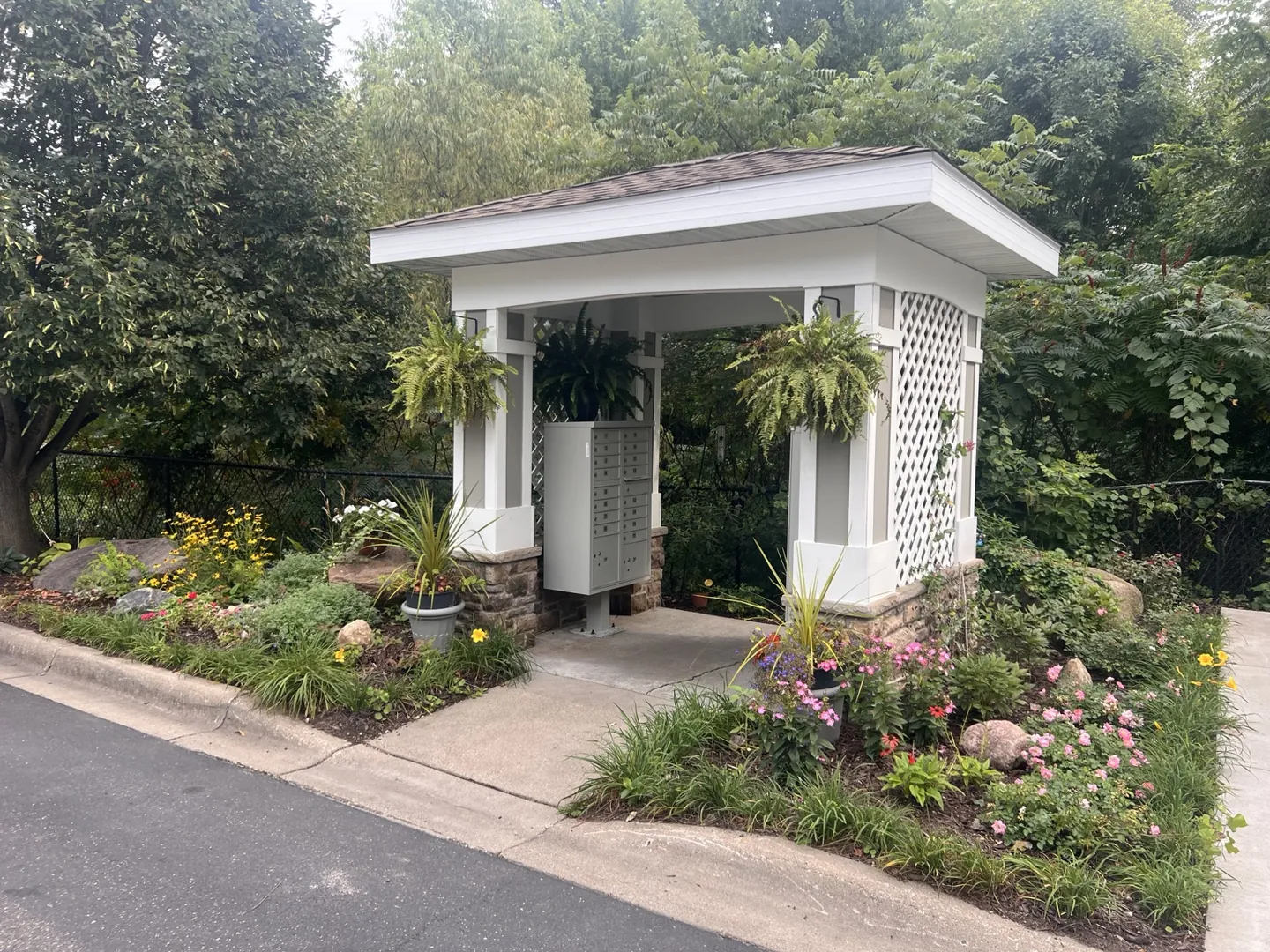
Elsewhere, the season included fresh playground mulch, a gathering table, and a pollinator garden at the mail kiosk. These were different projects with a shared purpose: caring for the spaces that connect our homes.
Looking beyond a single season
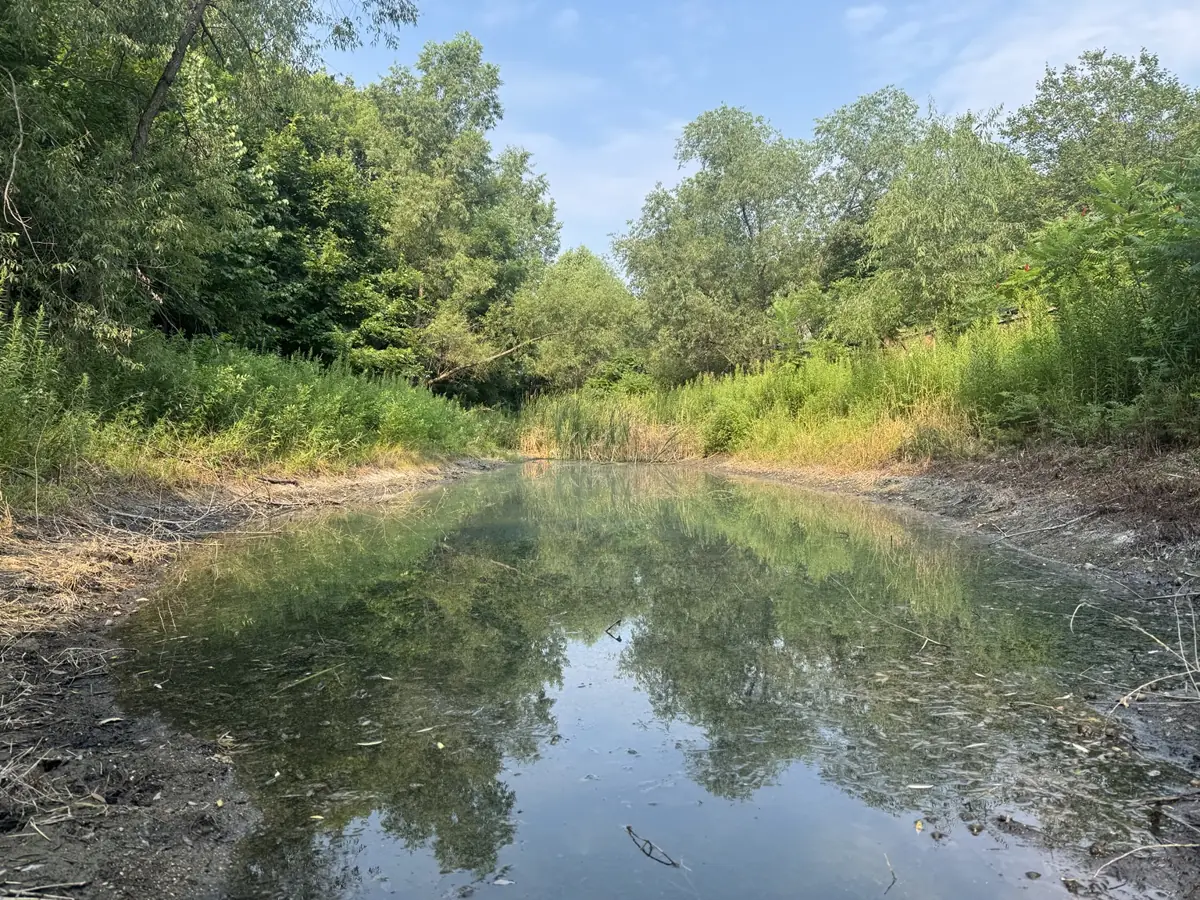
The pond edge and drainage work brought another part of the neighborhood into focus. Vegetation management and clearing a blocked flow path were reminders that a beautiful landscape also has practical work to do.
Restoration is an ongoing practice. Plants establish, invasive growth returns, weather changes the ground, and shared spaces need attention. What began in 2026 gives us a story to continue rather than a finish line to declare.
A community rooted in nature grows through the ordinary work of noticing, learning, and caring.