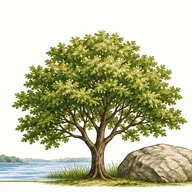
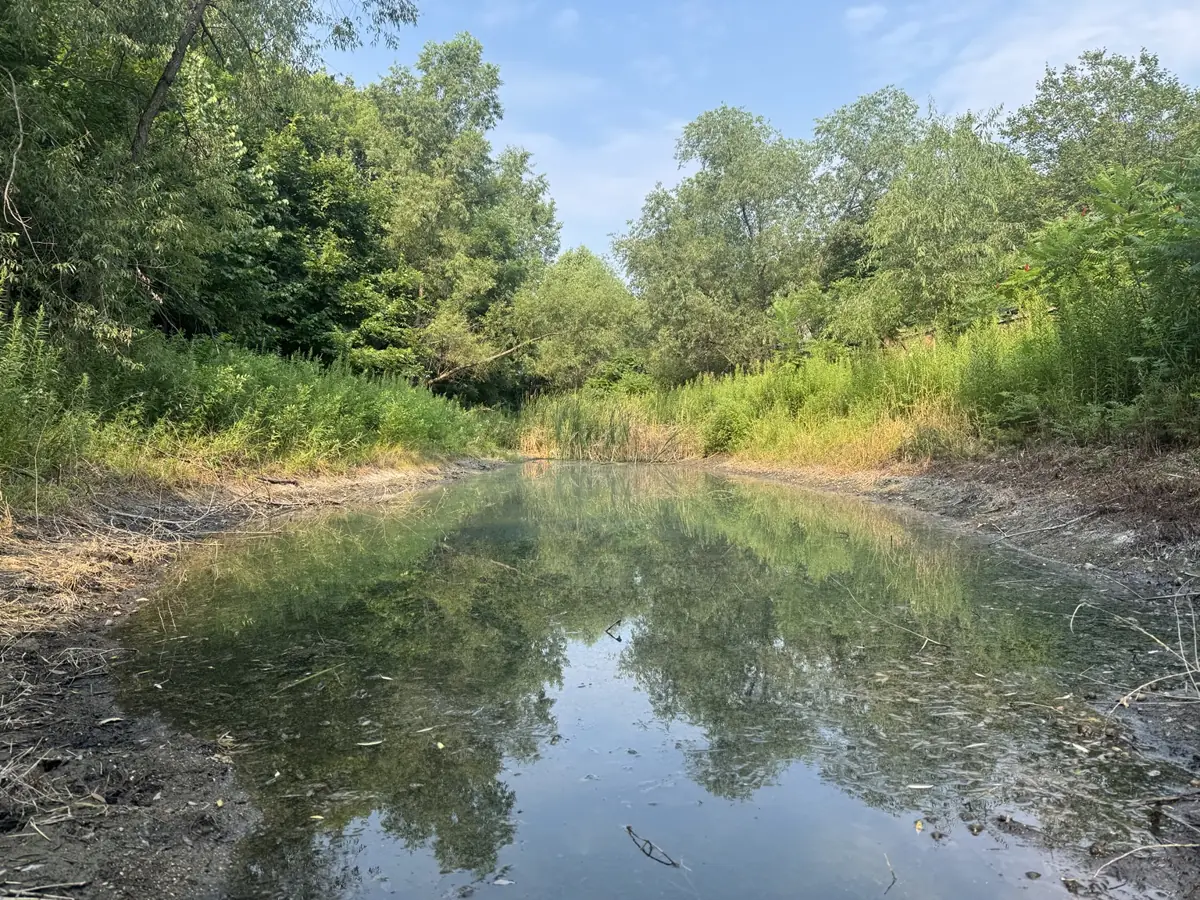
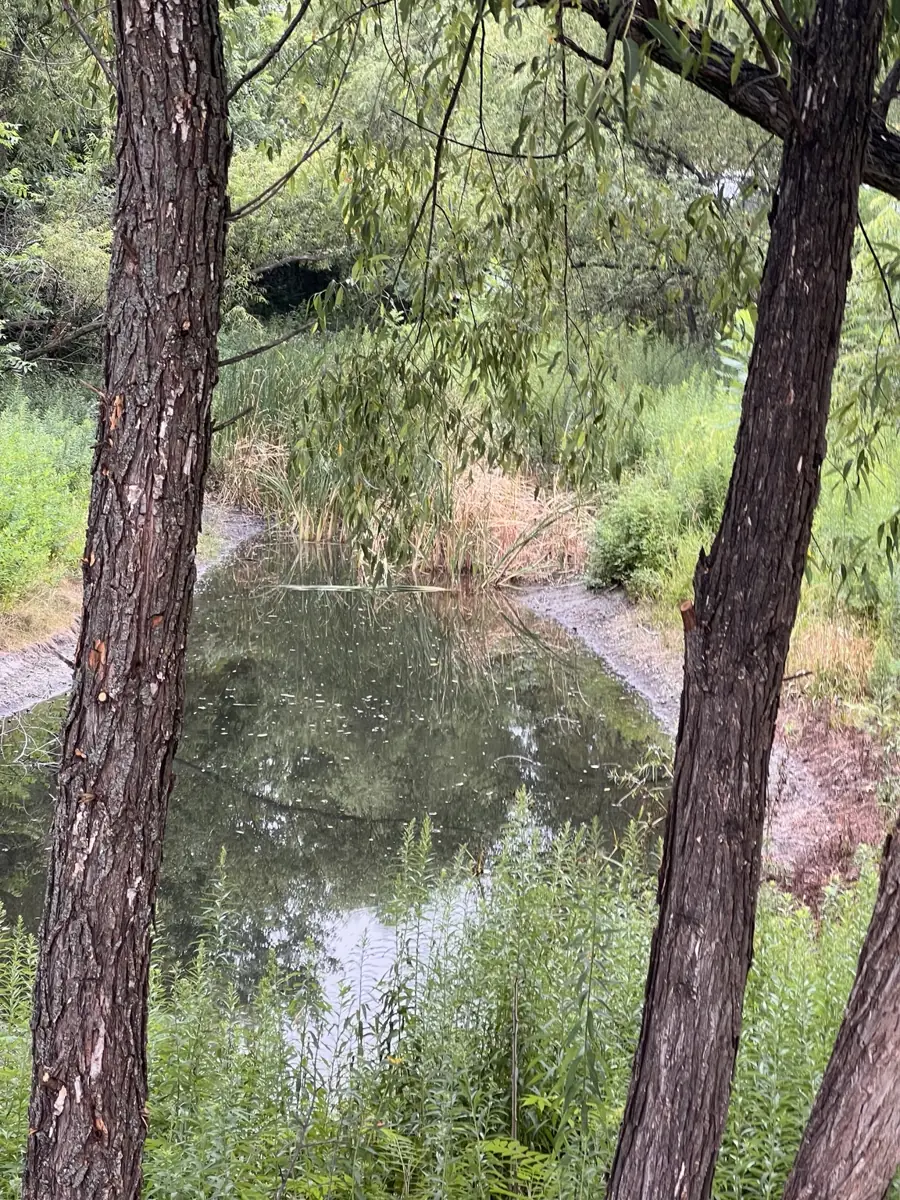
At the entrance to Deephaven Cove, water is part of both the view and the function of the landscape. Thinking about it only as scenery misses an important part of what this place needs from us.
A shared landscape with a practical role
Our community work brought renewed attention to the pond and wetland, including vegetation along the edge and a blocked drainage flow path. During the summer of 2026, clearing work restored water flow through the affected area.
That work made a simple connection visible: caring for the grounds includes paying attention to how water moves. A planting area, a slope, and a drainage opening are parts of the same landscape.
Learning from the watershed
The Riley Purgatory Bluff Creek Watershed District has been an important reference in our stewardship work. Its resources offer a way to learn more about native planting, waterbody buffers, and the relationship between landscaping and water.
A vegetated wetland buffer is a transition between the wetland and the upland around it. Understanding that relationship helps us look beyond a tidy edge and ask what care is appropriate for the place.
Notice, report, coordinate
If you notice a new blockage, unusual pooling, dumped material, or a change that may need attention, report the location through the community’s current reporting channel. A clear description and a photograph can help others understand the concern.
Work in and around water should be coordinated with the people responsible for the property and appropriate technical guidance. This Journal story is a record of community learning, not instructions for residents to alter drainage or wetland vegetation.
Water stewardship begins when we recognize the pond as part of our shared home.